U.S. Dealer Confidence in EVs Hits Record Low in Q1 2026
By InnoGazette Editorial Team | March 3, 2026
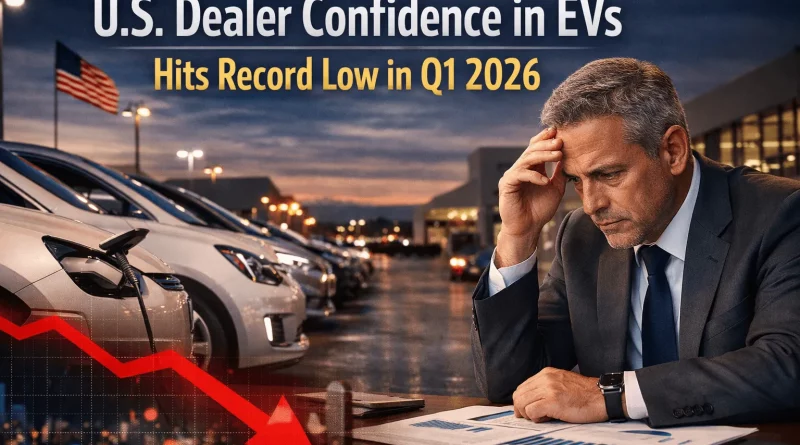
Walk into a franchise showroom in early 2026 and you can feel the split personality of the market. On one side of the lot, the right gas and hybrid models barely touch the ground before they re sold. On the other, a row of EVs sits longer than promised, even with bigger rebates and splashy window stickers. That tension shows up clearly in the Q1 2026 Cox Automotive Dealer Sentiment Index (CADSI), where dealer confidence in EV sales has fallen to an all?time low in the low?30s on a 0 100 scale even as overall sentiment gets a modest spring bounce.
This is not a story of EVs collapsing or dealers turning into climate deniers. It s about margins, incentives, affordability, and the gap between what product planners expected and what real buyers are willing (or able) to do in 2026.
The Index: Optimism for Spring, But EVs Are the Weak Link
First, the big picture from Q1 2026 CADSI.
- Current market sentiment: up slightly quarter?over?quarter, from the high?30s to around 41, but still below the good line of 50.
- Future expectations (next 3 months): a classic seasonal rebound into the mid?50s, as dealers look ahead to the spring selling season and hope for a bit of rate relief.
- Traffic and profitability: both under pressure. The traffic index is stuck in the 20s, near its weakest levels since the pandemic, and profit sentiment is around the low?30s, well below historical norms.
Against that backdrop, one data point jumps off the page: Dealer sentiment toward EV sales is at a record low, in the low?30s overall, with franchised dealers in the mid?20s and future EV expectations still stuck below 30. In other words, dealers are more optimistic about the market in general than they were last quarter but less optimistic than ever about EVs specifically.
Why EV Sentiment Is So Low
An index score in the low?30s doesn t mean dealers think EVs are dead; it means that, on balance, they see current EV conditions as weak and getting weaker, not average or improving. Several forces are converging:
1. Incentives faded faster than consumer friction
The CADSI commentary makes it clear: EV confidence fell after key incentives expired or were reduced, hitting both demand and deal economics. Some federal and state programs changed structure or eligibility. Consumers who expected that big tax credit discovered they didn t qualify or wouldn t see the benefit until next year. Dealers now face EVs that cost more to put on the road than many buyers expected, with fewer offsetting sweeteners.
2. Sticker shock meets payment fatigue
Even with price cuts and incentives, many EVs still come in at higher MSRPs than comparable ICE or hybrid models. Combine that with higher interest rates than the 2010s and rising insurance costs, and you get monthly payments that blow up what looked like a comfortable budget. Dealers watch would?be EV buyers walk in enthusiastic and walk out stunned once the numbers are real.
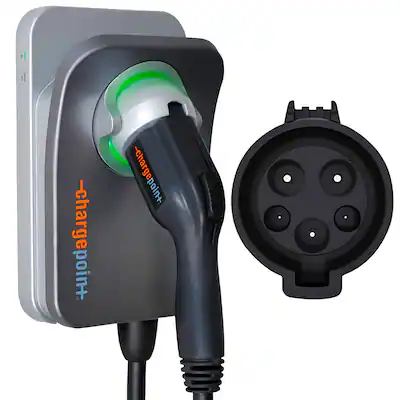
Charge Faster at Home
If you’re making the switch to an EV, a reliable Level 2 charger is essential. The ChargePoint Home Flex adds up to 37 miles of range per hour.
3. Charging fears haven t gone away
Despite progress on infrastructure, the psychological gap remains. Urban and suburban buyers without reliable home charging still worry about access, convenience, and queuing. Rural buyers face coverage gaps and slower charging speeds. Dealers can explain apps and route planning, but they can t make a three?hour winter DC fast charge feel like a five?minute gas stop.
4. Residual values and used EVs are a wild card
Dealers also pay attention to used values. Some early EVs have taken sharper depreciation hits than expected, especially those affected by rapid tech updates or incentive changes. That makes leasing and trade?in math messy, and it makes lenders more cautious. If you re a dealer who has taken a bath on a couple of used EVs, you re going to mark down your expectations.
Hybrid Confidence Rising Where EV Confidence Falls
What s striking is that EV pessimism isn t matched by a general hatred of electrification. The same dealers who report record?low confidence in EVs are often eager to stock hybrids and plug?in hybrids that hit a sweet spot on price and real?world convenience. The big takeaway: for dealers, electrification that fits easily into existing buyer behavior (fill up at the same stations, no new rituals) looks like a winner.
The Dealer s View: Inventory, Turn, and Factory Pressure
Talk privately to retailers and three themes recur:
- The wrong EV mix on the ground: Many dealerships feel their EV allocation is too heavy in high?MSRP crossovers and too light in truly mass?market models. When your floorplan and lot space are tied up in vehicles that don t turn, your sentiment goes down.
- Factory expectations vs. local reality: OEMs still have to hit compliance targets, which often translates to EV sales quotas. Dealers live at the sharp end of that contradiction: blamed for not pushing EVs hard enough while getting stuck with aging inventory.
- Training and infrastructure burden: Franchised stores have invested in technician training and on?site chargers. Those are sunk costs whether EVs are hot or cold. When sales underperform, that investment feels like a weight.
Implications for OEMs: Rethink the EV Mix, Not the EV Future
For automakers, the Q1 2026 EV sentiment score is a warning light, not a death certificate.
- Right?size EV expectations: If the people on the ground tell you EV demand isn t matching the slide?deck curve, adjust rollout plans. The data supports extending ICE and hybrid lifecycles.
- Fix the product and pricing: More EVs need to be engineered and priced to hit key payment bands think affordable compact crossover, not luxury?priced tech statement.
- Treat dealers as partners: Instead of treating dealers as obstacles, ask what specific concerns they hear from shoppers and what incentives would actually help move metal.
Keep Your Hybrid Efficient
Hybrids rely on their gas engines for long-range efficiency. Keep your fuel system clean with BG 44K Fuel System Cleaner.

What This Means for Shoppers in 2026
If you re a shopper, the Q1 2026 CADSI EV numbers translate into a few practical realities. You may find deals on some EVs especially those that aren t hitting their targets. A savvy buyer in 2026 does the math on total cost of ownership, asks pointed questions about charging, and cross?shops hybrids. Knowing that dealer EV sentiment is low helps you interpret the tone in the showroom.
The Road Ahead: Could EV Sentiment Recover?
Sentiment is not destiny. Stabilized incentives, more mid?price EVs, and continued infrastructure buildout could lift dealer confidence. Until then, the Q1 2026 CADSI is a snapshot of a transition in flux: dealers are optimistic about spring and hybrids, but cautious bordering on pessimistic about how fast EVs can scale under today s conditions.