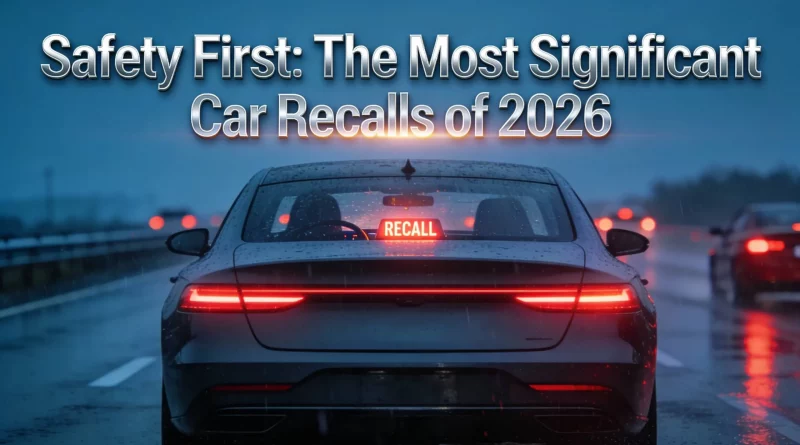
Safety First: The Most Significant Car Recalls of 2026
Safety in 2026
- Software is the new Airbag: 80% of 2026 recalls are fixed via OTA updates, not dealer visits.
- Battery Monitoring: Several manufacturers issued recalls for BMS (Battery Management System) sensors giving false range data.
- ADAS False Positives: “Phantom Braking” remains a leading cause for NHTSA investigations across multiple brands.
- Door Latches: A resurgence of mechanical recalls involving electronic door latches freezing in cold weather.
- Cybersecurity: The first federally mandated cybersecurity recall occurred this year due to a vulnerability in a major infotainment supplier.
Gone are the days when a recall meant a mandatory trip to the dealer for a new bolt or airbag inflator. In 2026, a recall often happens while you sleep. The digital nature of modern vehicles means that “safety defects” are increasingly code-based rather than hardware-based. However, physical safety issues persist, particularly as manufacturers push for lighter materials and new battery chemistries.
The NHTSA has been more aggressive in 2025 and 2026, forcing recalls on Driver Monitoring Systems (DMS) that they deemed too lax. If your car nags you more about keeping your eyes on the road than it did last year, that was likely a mandatory safety recall. We examine the largest safety campaigns of the year and what you need to do.
How to Check Your VIN in 2026
The NHTSA SaferCar app remains the gold standard. Do not rely on dealer mailers, which are often delayed. Input your VIN into the official government database to see open campaigns. In 2026, check specifically for “Open Software Campaigns.” Some manufacturers try to classify these as “Service Bulletins” to avoid bad press, but if it affects ADAS functionality, it is a safety issue. If you buy a used car, it is your responsibility to ensure the previous owner applied these OTA updates, as some users disable auto-updates.
The “Phantom Braking” Epidemic
One of the most significant ongoing investigations involves “Phantom Braking”—where an ADAS system detects a non-existent obstacle (like a shadow or an overpass) and slams on the brakes at highway speeds. In 2026, this has expanded beyond Tesla to include systems from Honda and Mazda as they adopted vision-only or vision-heavy sensor suites.
If you experience this, you must report it to the NHTSA. It is the only way these algorithms get forced updates. Documenting the incident is crucial for your safety and potential liability if you are rear-ended. The algorithms are improving, but edge cases involving glare and rain still cause false positives.