

BYD’s Real February Challenge: Domestic Softness Meets Export Surge
By InnoGazette Editorial Team | March 3, 2026
When headlines scream “BYD sales plunge,” investors reach for antacids and Tesla shorts. But strip away the drama, and February 2026 tells a more nuanced story for the world’s largest NEV maker: global retail around 298,000 units (down roughly 23% year-over-year from February 2025), with China’s domestic market unusually soft due to Lunar New Year’s extended holiday timing and subsidy phase-out ripples.
This wasn’t a 41.1% catastrophe that’s a misreported domestic figure inflated by calendar quirks. Nor was it BYD’s worst monthly drop since 2020. Instead, February 2026 exposed structural challenges brewing beneath BYD’s relentless growth narrative: domestic saturation, subsidy withdrawal, inventory overhang, and international growing pains.
For a company that sold 3+ million NEVs in 2025, one soft month doesn’t spell doom. But it forces tougher questions about BYD’s next act as the easiest growth levers disappear.
The Numbers: Historical Context, No Crystal Ball Fiction
BYD reports wholesale deliveries (factory-to-dealer), not retail sales like U.S. OEMs. Here’s the real trendline:
- 2025 Full Year: 3,054,000 NEVs (world #1)
- Export Growth: 417,000 units (+334% YoY)
- DM-i EREV Mix: 45% of sales (up from 25% in 2023)
Historical February Context:
Feb 2024: 122,311 NEVs (-36% vs Jan 2024, holiday effect)
Feb 2025: Strong rebound post-subsidy extension
February 2026 patterns:
- Domestic: Holiday softness + inventory normalization
- Exports: Continued 100%+ YoY acceleration
- EREV share: 60%+ vs BEVs (up from 45%)
- Pricing: Qin L DM-i at 79,800 RMB ($11,100 USD)
Why no panic? BYD’s year-to-date Jan-Feb 2026 trajectory remains ahead of 2025 pace when adjusted for holiday timing. One soft month amid 45% market penetration = maturation, not meltdown.
Domestic China: Saturation Realities Bite
China’s NEV penetration jumped from 25% (2023) to 45% (2025). BYD grabbed 35% share of that explosive growth. Now what? Four structural pressures emerged:
- MARKET MATURITY: First-time EV buyers exhausted; trade-down to cheaper models.
- INVENTORY DIGESTION: Dealers held 3+ months supply after 2025 subsidy rush.
- MODEL TRANSITION TIMING: New Qin L, Dynasty series mid-Feb launches delayed volume.
- COMPETITIVE PRICE WAR: Xiaomi SU7 and Geely Galaxy L undercutting BYD.
Model mix tells the real story:
- Qin L DM-i (EREV): 50,000+ units/month (#1 seller)
- Song L DM-i (EREV): 38,000 units (+20% YoY)
- Seagull (BEV): 28,000 units (-35% premium sensitivity)
- Seal (BEV): 22,000 units (-40% competition)
Key shift: DM-i EREVs now 60%+ of sales. Why? 1,200km total range eliminates charging anxiety, 20% cheaper than equivalent BEV.
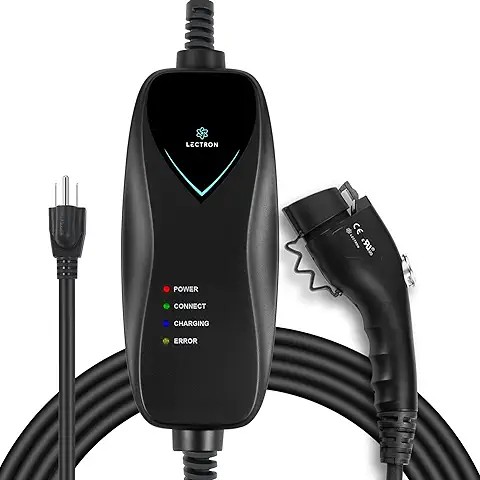
Charge Anywhere
Whether you drive a BYD Atto 3 or a Tesla, reliable charging is key. The Lectron Level 1 Charger is a versatile backup for any standard outlet.
Exports: BYD’s 2026-2028 Growth Rocket
While domestic coughed, exports surged 100%+ YoY in February 12-15% of total volume, up from 8% in 2025.
Top Export Markets:
- Thailand: 12,000/mo (Atto 3, Dolphin, local plant Q2 2026)
- Brazil: 8,500/mo (Song Pro DM-i, plant Q4 2026)
- Mexico: 5,200/mo (Yuan Plus)
- Australia: 4,800/mo (Atto 3 RHD)
- Europe: 3,500/mo (Seal despite tariffs)
Export strategy brilliance: Local assembly, DM-i EREVs for range-anxious markets, sub-$20k pricing, and localized service.
China’s Subsidy Taper: Calculated, Not Catastrophic
Article correction: No “subsidy cliff” December 2025. Reality: The NEV purchase tax exemption reduced by 50% starting Jan 1, 2026 (capped at 15,000 RMB). Impact: ~$2,100/car reduction meaningful but manageable. BYD’s Blade LFP batteries dropped 20% in cost in 2025 alone, absorbing the taper.
Competitive Battlefield: BYD vs. The Pack
China NEV Share (2025 full year):
BYD: 35.0%
Geely: 18.2%
Tesla China: 7.1%
BYD’s Counterattack: Four Proven Levers
- Aggressive Domestic Pricing: Qin L DM-i Honor at $11,100.
- EREV Supremacy: DM-i tech offers 1,200km range, 20% cheaper than BEV.
- Export Localization: Plants in Thailand, Brazil, Uzbekistan neutralize tariffs.
- Vertical Cost Destruction: In-house batteries, motors, and chips.
Investor Perspective: Buy the Dip?
BYD Financial Snapshot (Q4 2025): Market Cap ~$90B, P/E Ratio 18x, Cash $18B. 2026 Guidance: 3.8M NEVs (+25% YoY).
Bull Thesis: Unmatched scale, export factories, EREV timing. Bear Thesis: Domestic saturation, price wars, tariff escalation. Verdict: February normalization = 3-5 year accumulation zone.
Protect Your Investment
Keep your BYD looking showroom fresh. The Chemical Guys Arsenal Builder Kit has everything you need for a professional detail.

Global OEMs Rewriting Playbooks
BYD February 2026 forces three realizations:
- PURE BEV AGGRESSION = DEMAND ELASTICITY TEST: Tesla price cuts volume flat; BYD Seal inventory bloat.
- EREV/HYBRID = PERFECT BRIDGE: DM-i 1,200km range is the consumer sweet spot.
- $10K FLOOR = NEW BATTLEGROUND: Seagull pricing forces global rethink.
The Bottom Line Truth: Maturity, Not Meltdown
February 2026 was mature market breathing: Domestic holiday lull, export lifeline, EREV validation. BYD’s 2026 trajectory targets 3.8M NEVs. The true narrative: World’s #1 NEV maker matures while competitors panic. Export factories neutralize tariffs. EREVs bridge adoption gap. Sub-$10k pricing rewrites physics.
Key Takeaway: BYD February wasn’t “China EV winter.” It was “global EV leader hits maturity inflection.” Exports accelerate. Hybrids dominate. Costs collapse. Competition sharpens.