
The “Affordable EV” Resurgence: Best Electric Cars Under $30k in 2026
The Market Correction
- Price Drop: Battery material costs (Lithium and Cobalt) have stabilized, allowing OEMs to launch profitable sub-$30k EVs.
- The King Returns: The re-launched Chevrolet Bolt EV (Ultium based) is the benchmark for value.
- Production Shifts: Volvo has moved production to Belgium to avoid tariffs, finally bringing the EX30 to the US in volume.
- Lease Deals: 2026 lease deals on these models are dipping below $250/month thanks to the commercial tax credit loophole.
For years, the “Affordable EV” was a myth. Tesla promised a $25,000 car that pivoted into a Robotaxi concept, and other manufacturers focused on six-figure luxury trucks to boost profit margins. But in 2026, the tide has turned. With luxury EV sales saturating, automakers are now fighting for the mass market.
Search traffic for “EVs under $30k” has tripled in the last six months. Why? Because the average American car payment hit a breaking point in 2025. Buyers are demanding basic, reliable transportation that runs on electrons. They don’t need 0-60 in 3 seconds; they need 250 miles of range and a payment under $400. Here is the landscape of the affordable electric car in 2026.
Table of Contents
The Return of the King: Chevy Bolt Ultium
General Motors made a massive strategic error cancelling the Bolt in 2023, and they knew it. In 2026, the Bolt is back, and it is better than ever. Built on the Ultium platform, the 2026 Bolt EV features significantly faster charging (150kW peak) compared to the slow 50kW of the previous generation.
With a starting price of $28,995 (before tax credits), it effectively becomes a $21,500 car for eligible buyers. It uses LFP (Lithium Iron Phosphate) battery chemistry, which means you can charge it to 100% every day without degrading the battery—a huge plus for daily commuters. The interior has been upgraded with better seats (addressing the main complaint of the old model) and a modern infotainment system that integrates with Google Built-In. The shifter has moved to the stalk to free up center console space, making the small car feel surprisingly airy inside.
The Challengers: Kia EV3 and Volvo EX30
GM isn’t alone. The market is heating up with serious competition from Korea and Europe:
- Kia EV3: Smaller than the Kia EV6, this boxy compact SUV brings Kia‘s renowned 800V architecture to the masses. It charges faster than the Bolt (10-80% in about 20 minutes) but starts slightly higher at $32,000. It targets the buyer who wants the futuristic “Cyberpunk” aesthetic of the EV9 but on a budget.
- Volvo EX30 (The Belgium Build): Volvo EX30 navigated the 2024/2025 tariff wars by shifting US-bound production to Ghent, Belgium. This raised the price slightly (now starting closer to $36k), but it ensures the car is available without the 100% tariff penalty applied to Chinese-made EVs. It remains the fastest car in its class (3.6 seconds 0-60 in the Twin Motor version), offering a premium Scandinavian interior that punches well above its weight class.
- Tesla Model 3 RWD: Tesla has aggressively priced the base Model 3 to compete, often listing for $34,990 before incentives. While technically over the $30k limit, inventory discounts often bring it dangerously close to this bracket. The much-rumored Tesla Model 2 remains elusive in 2026, with Tesla focusing on autonomy instead of a budget hatchback.
Charging Cheap EVs: NACS Integration
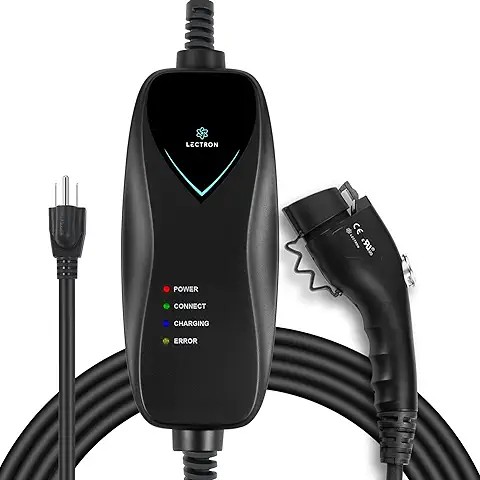
The biggest upgrade for affordable EVs in 2026 is the charging port. The new Bolt and Kia EV3 now come with the NACS (North American Charging Standard) port native. This gives budget buyers access to the Tesla Supercharger network, which was previously a luxury reserved for Tesla owners.
This levels the playing field. You no longer need to buy a $40,000 Tesla to have a reliable road trip experience. You can buy a $29,000 Chevy and charge at the same station. This integration has done more to boost the value proposition of budget EVs than any price cut could. It removes the “fear of the broken charger” that plagued non-Tesla owners for a decade.

Pro-Tip: Leasing vs Buying Cheap EVs
In 2026, leasing is often the smarter move for affordable EVs. Why? Because of the $7,500 tax credit loophole. Even if the car (like the imported Volvo EX30) doesn’t qualify for the purchase credit due to assembly location or battery components, the leasing company gets the commercial credit and can pass it on to you as a “Cap Cost Reduction.”
This leads to absurdly low lease payments, sometimes under $250/month with little money down. Leasing also hedges your bet against future battery tech advancements. In 3 years, when solid-state batteries might be standard, you can just hand the keys back.