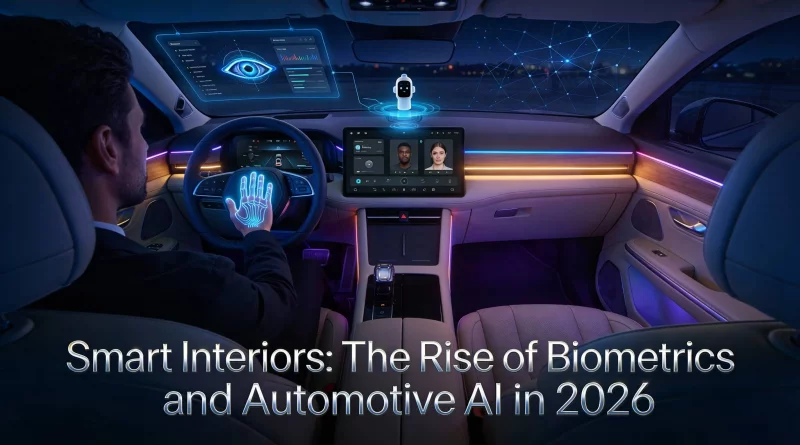
Smart Interiors: The Rise of Biometrics and Automotive AI in 2026
The Intelligent Cabin
- LLMs are Standard: Voice assistants are no longer dumb. Volkswagen and Mercedes integrate ChatGPT/Claude for natural conversation.
- Biometrics: Facial recognition is replacing key fobs on premium models like Genesis and Cadillac.
- Safety: “Passive” alcohol detection sensors are appearing in compliance with NTSB recommendations.
- Privacy: Data privacy is the new battleground; know what your car is recording.
Remember when “Smart Car” meant it had Bluetooth? In 2026, a car without a neural processing unit (NPU) is considered outdated. Following the explosion of AI technology at CES 2026, the automotive interior has transformed from a cockpit into a digital concierge. The hardware wars are over; the software wars have begun.
Drivers are no longer just looking for horsepower; they are searching for “inference.” They want cars that know they are tired before they yawn, cars that adjust the suspension because they see a pothole before the wheel hits it, and cars that can hold a conversation about the history of the town they are driving through. This isn’t science fiction anymore; it is the standard equipment list on a 2026 luxury sedan. Here is the state of Automotive AI in 2026.
Table of Contents
The Chatbot Co-Pilot: Beyond Voice Command
In 2024, voice assistants were frustrating. You had to say exact phrases like “Navigate to…” or they wouldn’t understand. In 2026, Large Language Models (LLMs) are integrated directly into the infotainment OS. This allows for context-aware, natural language processing that feels less like talking to a computer and more like talking to a passenger.
Example: In the 2026 Mercedes-Benz E-Class, you can say, “I’m hungry, but I don’t want fast food, maybe something spicy, and check if it has a charger nearby.” The AI processes this complex, multi-layered request, cross-references Yelp ratings with Charger availability, checks your battery range, and suggests a Thai restaurant with a Level 3 DC charger in the lot. It then navigates you there and pre-conditions the battery for charging automatically.
Biometrics: Your Face is the Key
The physical key fob is officially dying. Lucid and Genesis have pioneered facial recognition entry. A camera in the B-pillar scans your face as you approach. Once inside, a fingerprint reader or internal camera authenticates you to start the engine. This allows for hyper-personalization: the seat, mirrors, music, and ambient lighting adjust instantly to the specific driver identified.
The Genesis GV60 was the first to mass-market this with “Face Connect,” and in 2026, it has been refined to work in total darkness using Near-Infrared (NIR) sensors. It prevents the “Relay Attack” theft method because you physically have to be scanned to unlock the car; stealing a signal from inside the house no longer works.
Health Monitoring: The Car as a Nurse
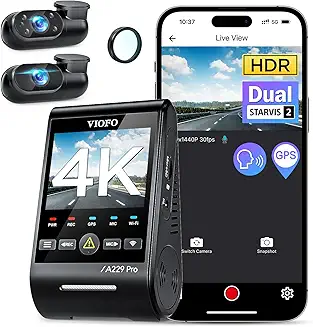
Perhaps the most controversial trend of 2026 is “Passive Health Monitoring.” In response to NTSB recommendations regarding drunk driving and fatigue, new cars are equipping sensors that detect alcohol on a driver’s breath or erratic eye movements associated with fatigue.
The Volvo EX90 leads this sector with its dual-camera Driver Understanding System. It tracks eye gaze fixations. If the AI determines you are intoxicated or falling asleep (microsleeps), it will first warn you visually, then haptically (vibrating the seat), and finally, it will gently slow the car to a stop in the lane, turn on the hazards, and call emergency services. This system is designed not just to save the driver, but everyone else on the road.

The Data Privacy Nightmare
With all these cameras and microphones, privacy is the elephant in the room. Who owns your biometric data? Who owns the conversation logs with the chatbot? In 2026, manufacturers like BMW and Mercedes-Benz have had to create strict “Privacy Zones.” You can now toggle a setting that ensures your voice data is processed locally on the car’s chip and not uploaded to the cloud.
However, cheaper brands may subsidize the cost of the car by selling anonymized data to insurance companies. It is crucial to read the Terms of Service on your 2026 connected car app. If you are getting a “Safe Driver Discount,” realize that the car is snitching on your hard braking and late-night driving habits.