Battery Health Certificate (2026): What It Is and How to Get One
The New Standard
- No Cert, No Sale: Buyers in 2026 demand proof of battery capacity, just like they demanded Carfax reports in the 2010s.
- SoH is the Metric: State of Health (SoH) percentage is more important than odometer mileage. A 50k mile car can be healthier than a 20k mile car.
- Third-Party Verification: Dealer “checks” aren’t enough; buyers want independent OBD verification from firms like Recurrent or Altelium.
- Cost: A professional certificate costs between $100-$150, but you can do a basic check yourself with the right tools.
- Value Impact: Every 1% of degradation below 90% can knock $200 off the resale value.
Buying a used internal combustion car involved checking the oil, listening to the engine for knocks, and checking the transmission fluid. Buying a used EV involves chemistry and software. In 2026, the “Battery Health Certificate” has become the most critical document in a used car transaction. It quantifies the degradation of the battery pack, directly influencing the vehicle’s value.
The odometer tells you how far the car has gone, but it doesn’t tell you how it was treated. Was it Supercharged to 100% every day in the Arizona desert? Or was it slow-charged to 80% in a climate-controlled Seattle garage? The difference can mean 15% more range. A car with 95% SoH is worth thousands more than an identical car with 85% SoH. Here is what you need to know about these certificates, how to get one, and how to spot a fake.
How to Read a Certificate
A standard 2026 certificate (typically from providers like Recurrent, Altelium, or TUV) will show several key metrics that go beyond simple “Good/Bad”:
- SoH (State of Health): Expressed as a percentage (e.g., 94%). This means the battery can hold 94% of the energy it could when it rolled off the factory line.
- Range at 100%: The current estimated real-world range.
- Cell Deviation: The voltage difference between the strongest and weakest cell. A high deviation (above 50mV) indicates the pack is unbalanced and may be nearing failure, even if total capacity is okay.
- DC Fast Charge Count: How often the car was Supercharged. A high count isn’t necessarily bad if the SoH is good, but it indicates the battery has been thermally stressed.
The DIY Verification
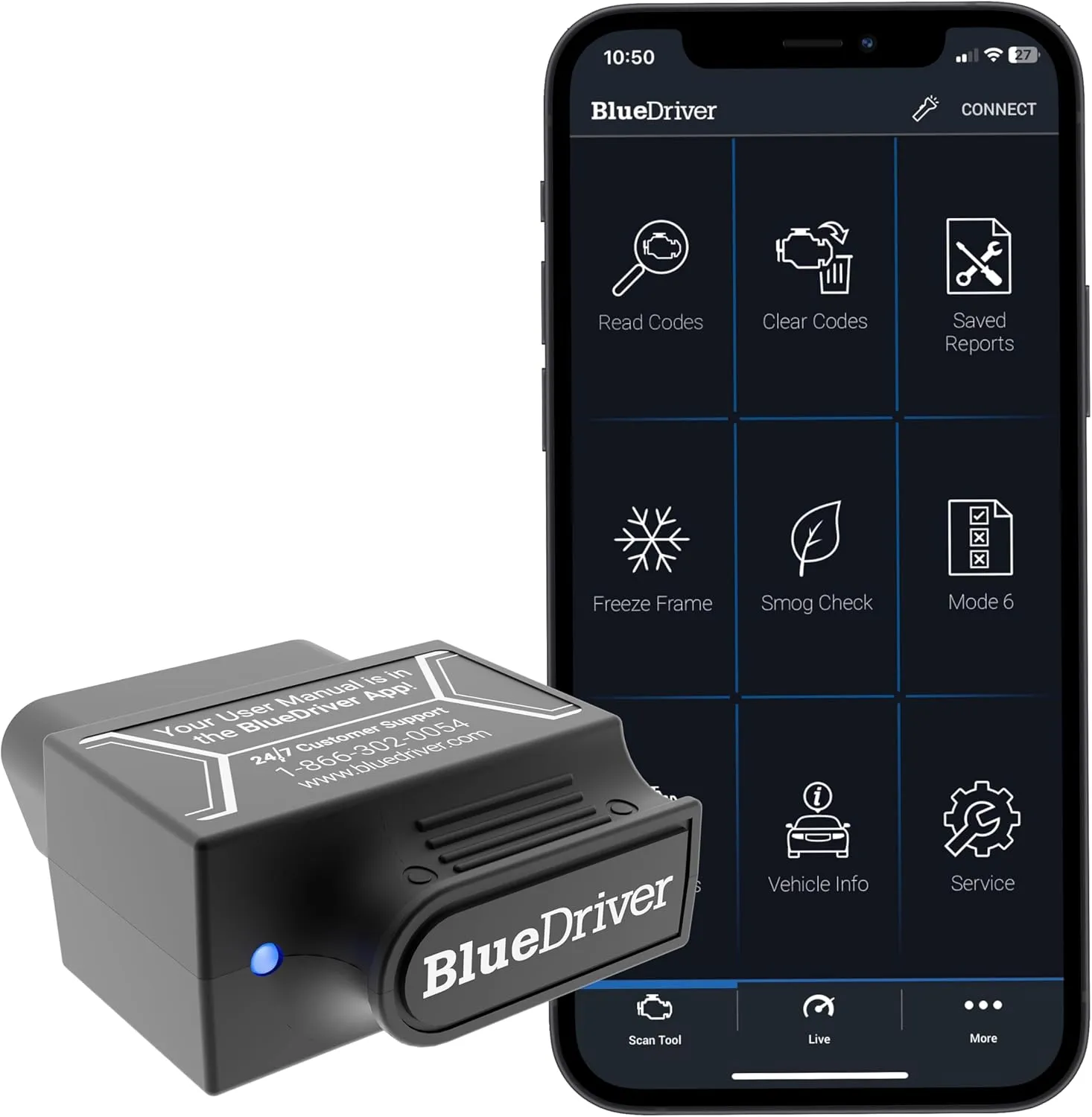
You don’t always need to pay a third party. If you are buying a car from a private seller, you can verify the health yourself using an OBDII dongle. Most EVs broadcast their BMS (Battery Management System) data, but it’s hidden from the main screen. The car might say “100%,” but that’s 100% of the *current* capacity, not the original. The OBD data reveals the truth.
Value Impact
In 2026, data suggests that for every 1% of SoH lost below 90%, the vehicle value drops by about $200-$300. A car with 85% health might be $1,500 cheaper than one with 92% health. This is why getting the certificate is crucial—it’s your primary negotiation tool.
Sellers will try to hide this. They will charge the car to 100% just before you arrive to mask voltage sag. Always ask to see the car at a lower state of charge (below 50%) or insist on a test drive that depletes the battery significantly, as weak cells reveal themselves under load.