The 2026 EV Buying Strategy: Navigating J3400, State Rebates, and TCO
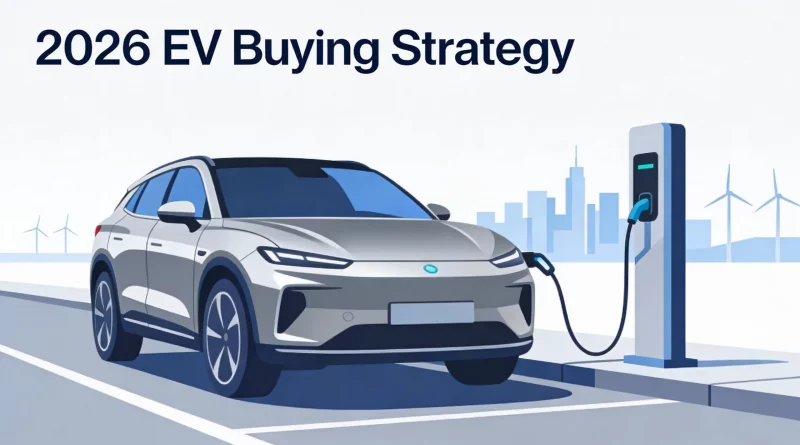
The electric vehicle landscape of 2026 is fundamentally different from the early adoption era of 2022-2024. For the modern buyer, the checklist has shifted from simply finding a car with 300 miles of range to navigating a complex ecosystem of standardized charging hardware, local financial incentives, and long-term software subscription models. This guide breaks down exactly what you need to know to make a future-proof investment in 2026.
The Hardware Shift: Why J3400 (NACS) is Non-Negotiable
As we enter 2026, the SAE J3400 standard, commonly known as the North American Charging Standard (NACS), has officially replaced the bulkier CCS1 port. For the consumer, this is the single most important technical check. Buying a new vehicle in 2026 that still utilizes a legacy CCS port is a significant risk to future resale value. Native J3400 ports allow for ‘adapter-free’ access to the Tesla Supercharger network and the 200,000+ public ports now operating nationwide. Furthermore, 2026 models with J3400 are built on the ISO 15118-20 protocol, which enables bidirectional charging—meaning your car can now serve as a backup battery for your home during grid outages. If a salesperson cannot confirm the ISO 15118-20 compatibility, you are looking at a vehicle that is already technically obsolete.
The New Incentive Reality: Life After the Federal Credit
One of the biggest shocks to the 2026 market was the expiration of the $7,500 federal clean vehicle credit on September 30, 2025. Without this national ‘blanket’ discount, buyers must now master the art of State-Level Stacking. Leading the charge is Colorado, where the Vehicle Exchange Program (VXC) allows income-qualified residents to stack a base $750 state tax credit with a $6,000 ‘scrappage’ bonus for trading in an older gas car. In California, regional air quality districts offer similar point-of-sale vouchers that can reduce the price of an entry-level EV (now regularly priced at $32,000) down to near $20,000. Always consult your local utility provider; many now offer ‘Make-Ready’ grants of up to $1,000 to cover the electrical panel upgrades required for Level 2 home charging. These local incentives are often first-come, first-served, so verification should be your first step before visiting a dealership.
Hidden Costs: The Software-as-a-Service (SaaS) Factor
In 2026, the Total Cost of Ownership (TCO) calculation has changed. Maintenance remains 40-50% lower than internal combustion vehicles, but Software Subscriptions are the new ‘oil change.’ Major OEMs like Ford, BMW, and Mercedes-Benz have moved toward a ‘Feature-as-a-Service’ model. This means that high-end ADAS (Advanced Driver Assistance Systems), premium navigation, and even enhanced battery thermal management for cold weather may require a monthly fee, typically ranging from $15 to $35. When shopping for a 2026 EV, always ask for the ‘Digital Service Disclosure’ to understand what features are permanent and what will require an ongoing subscription to remain active. A car that looks like a bargain on the sticker might end up costing an additional $2,000 over a five-year ownership cycle just to keep the navigation and safety features functioning.
Efficiency and the Second-Hand Market Surge
Finally, 2026 marks the first time we see a massive influx of ‘Second-Gen’ used EVs hitting the market. With nearly 243,000 leases expiring this year, the used market is flooded with high-quality 2023 and 2024 models. While these older models may still use CCS ports, the price drop—estimated at 20-30%—makes them an excellent entry point for budget-conscious families. For those buying new, prioritize vehicles with Zonal Architecture. These models are designed like smartphones, where a central computer controls all zones of the car, allowing for Over-The-Air (OTA) updates that can actually improve the car’s efficiency and range long after you leave the dealership. By following this 2026 strategy, you ensure that your vehicle remains an asset rather than a tech-burdened liability.