
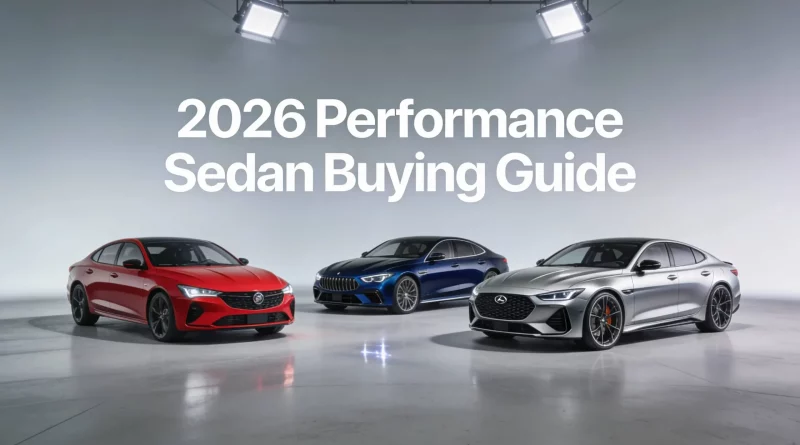
2026 Performance Sedan Buying Guide: Handling, Tech, and TCO
For decades, the metric of a performance sedan was its 0–60 mph time. In 2026, that metric has become irrelevant. With even entry-level electric sedans hitting sub-4-second marks, the ‘performance’ in a 2026 performance sedan is now defined by Handling Feel, Zonal Compute Architecture, and Software-Defined Dynamics. This 700-word guide is designed for the enthusiast who wants a fast daily driver that doesn’t sacrifice soul or financial sanity.
Handling: The Zonal Architecture Revolution
The most significant technical shift in 2026 performance cars is the move to Zonal Compute. By centralizing the vehicle’s ‘brain’ into three high-speed controllers, manufacturers have unlocked near-instantaneous control over active suspension systems and torque vectoring. When test-driving a 2026 sedan, pay attention to ‘Lateral Agility.’ Does the car feel like a single unit, or can you feel the electronic ‘crutches’ working? In 2026, the best sedans use AI-driven suspension logic that scans the road 1,000 times per second to adjust dampening before you even hit a pothole.
The ‘Daily Driver’ Reality: Comfort vs. Raw Speed
A common mistake in the 2026 market is buying a ‘Track-Focused’ trim for a daily commute. Aggressive aerodynamic packages—while looking impressive—increase wind noise at highway speeds and reduce visibility. For a fast sedan daily driver, prioritize Variable Steering Ratios and acoustic glass. You want a cockpit that is a ‘Third Space’—quiet enough for a conference call but responsive enough for a mountain pass. Furthermore, check the Generative AI Cockpit. In 2026, performance sedans should offer biometric-based seat adjustments and ‘Contextual HUDs’ (Heads-Up Displays) that highlight apexes during spirited driving but switch to simplified navigation during heavy traffic.
Hidden Running Costs: Tires, Brakes, and Subscriptions
Performance in 2026 comes with a ‘digital and physical’ tax. First, consider the Tire Lifecycle. High-torque electric performance sedans can wear through a set of specialized ‘EV-Performance’ tires in as little as 12,000 miles. At $400 per tire, this is a significant operational cost.
🏎️ Garage Essentials
- Top Pick: Fanttik X8 APEX Smart Inflator
- DIY Essential: 1/2-Inch Drive Torque Wrench
Second, look at the Software-as-a-Service (SaaS) model. Many 2026 brands, including BMW and Mercedes-AMG, now require a monthly subscription (approx. $25) to unlock the full ‘Track Mode’ or advanced telemetry features. Ensure you factor these ‘connected features’ into your monthly budget. Lastly, check for Regenerative Braking Blending. The best 2026 sedans offer seamless handovers between electric motor braking and physical disc brakes; if the pedal feels ‘mushy,’ the software tuning is inferior.
The Final Checklist: How to Choose
Don’t buy based on a YouTube review. In 2026, you must test-drive the specific software build of the car. Ask the dealer for the latest ‘Firmware Version’ and verify it includes the 2026.Q1 handling updates. Price out a set of replacement tires and an insurance quote—performance EVs often carry a 20% insurance premium over their gasoline counterparts. If you are buying an EV sedan, ensure it has a native J3400 port for access to the 17,000+ Superchargers. A performance sedan is an emotional purchase, but in 2026, it must be backed by a clear-eyed understanding of digital costs and physical maintenance.